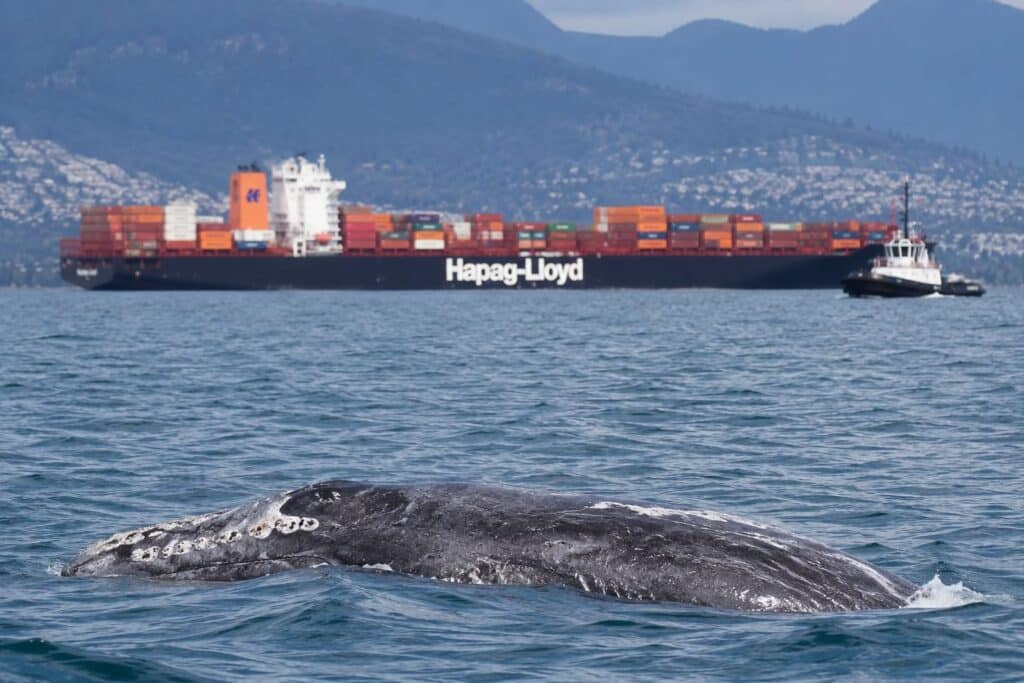
Curious about the massive new dredging project in the Burrard Inlet Vancouver loves? Discover 3 big risks threatening our local whales and marine life.
If you have taken a stroll through Stanley Park, walked along the seawall, or looked out from North Vancouver recently, you know how central the local waters are to our lifestyle. However, a major shift is coming to the Burrard Inlet Vancouver shares with its neighboring municipalities. The Vancouver Fraser Port Authority has officially received all federal permits to begin a massive underwater dredging project under the Second Narrows bridge starting this September.
While this expansion represents a significant development for Canada’s energy sector and maritime infrastructure, it has ignited a fierce debate. Environmental advocates and local nature lovers are highly concerned about the potential damage to our fragile marine ecosystem. Here is what you need to know about the science, the logistics, and the 3 big risks facing our local waters.
The Economic Drive: Why Deepen the Burrard Inlet?
The primary goal of this industrial excavation is to clear the navigation channel so that large Aframax-class oil tankers can “load more fully” at the Westridge Marine Terminal. These massive cargo ships, measuring up to 250 meters long, currently face a strict limitation. Due to shallower sections within the Burrard Inlet Vancouver shipping lane, these tankers can generally only load to about 80 per cent of their actual capacity to safely clear the sea floor.
By digging out the seabed beneath the Second Narrows, the port authority will enable these vessels to utilize 100 per cent of their holding space. The B.C. provincial government has expressed support for the project, arguing that allowing fully loaded ships will improve port efficiency and reduce overall vessel traffic. The project arrives roughly two years after the expanded Trans Mountain (TMX) pipeline network began operating.
Environmental Backlash: 3 Big Risks for Local Wildlife
Despite the economic arguments, the environmental backlash has been intense. Organizations like the Sierra Club warn that underwater excavation could disrupt years of ecological recovery in the area.
The three primary environmental risks highlighted by critics include:
-
Disturbing Toxic Seabed Sediments: The project involves removing roughly 25,000 cubic metres of material, digging up to 6 meters below the sea floor. Stirring up the mud could release industrial toxins that have settled over decades of industrial port activity, reducing water quality.
-
Choking Salmon and Herring Habitats: Excavation creates heavy underwater silt and turbidity (cloudy water). This can physically damage fish gills and smother crucial eelgrass beds, which serve as essential spawning habitats for returning salmon and herring.
-
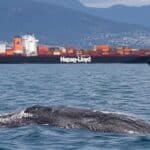
Threatening Whale and Seal Populations: The combination of underwater noise, industrial machinery, and potential contamination threatens the local harbor seals and resident whale populations that rely on a clean, quiet environment to hunt and survive.
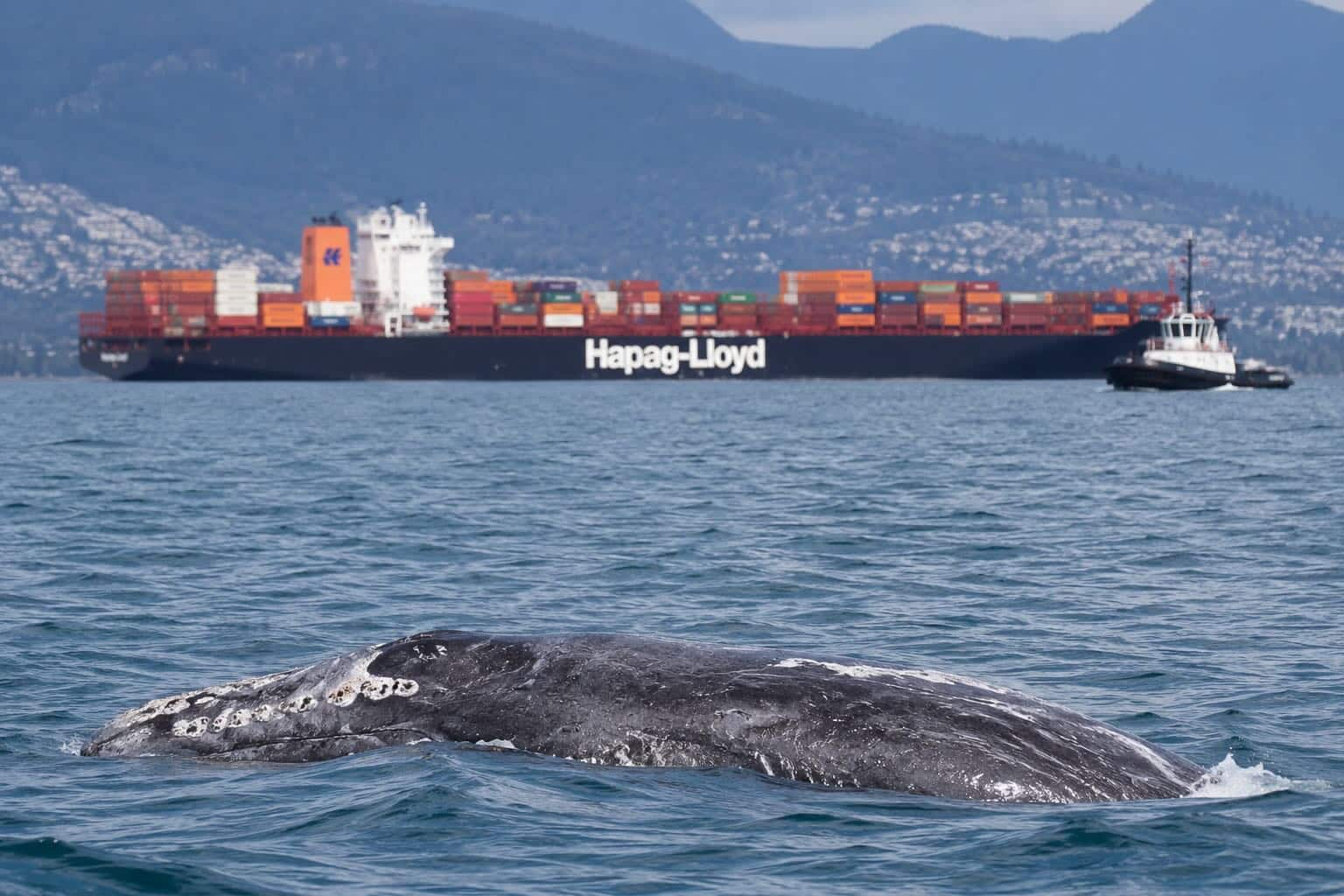
How Will This Impact Vancouver’s Famous Whales?
For local whale enthusiasts who closely track regional wildlife, this project hits close to home. The Second Narrows and surrounding waters are part of a delicate coastal web. Increased underwater noise and sediment disruption can directly interfere with the echolocation abilities of marine mammals.
If you want to understand the fragile state of our local marine giants, make sure to read our deep-dive analysis on the Whale Sightings in Vancouver: The Dark Truth to see how resident and transient species are reacting to urban pressures. It is a timely reminder that while some populations are currently thriving, others remain on the brink.
The Port’s Environmental Mitigation Plan In an effort to minimize damage, the Vancouver Fraser Port Authority stated that the project is bound by more than 50 strict environmental conditions. To safeguard migratory fish, all active underwater dredging will be legally restricted to the official “least-risk window” between mid-August and the end of February. These tight environmental windows are strictly regulated and monitored by the Fisheries and Oceans Canada Department to ensure wild salmon runs are not disrupted.
Contractors will be required to constantly monitor water turbidity and pause digging if sediment spread becomes too high. Additionally, the project includes measures to enhance local kelp habitats to help rebuild lost marine environments.
As the project begins this autumn, local naturalists will undoubtedly be watching the waters closely. Until then, you can keep celebrating the beautiful Pacific Northwest season by planning a weekend trip to the beautiful lavender farms Vancouver boasts, or grab your camera and check out our top spots for shore-based Whale Watching in Vancouver before the industrial shipping traffic increases!
The concerns surrounding the Port Authority’s dredging project and underwater noise are no longer just theoretical. Just recently, these industrial risks were put on full display during the chaotic 4 Orcas Vancouver sightings deep inside the Burrard Inlet. Watching a pod of killer whales try to navigate through departing cruise ships and heavy harbor traffic is exactly why environmentalists are sounding the alarm on further industrial expansion.

Hi, I’m the creator behind It’s Time for Vancouver. As a local resident, I spend my weekends capturing the magic of the Pacific Northwest, whether that’s mapping out historic day trips, tracking down regional wildlife, or finding the perfect urban escape. My goal is to give you honest, actionable guides so you can make the absolute most of every season in this beautiful province.
Pingback: Canada Day 2026 in Vancouver: The Ultimate Amazing Local Guide
Pingback: Vancouver Water Restrictions 2026: The Hidden Truth
Pingback: 4 Orcas: Vancouver Harbor Sighting Raises Serious Concerns