Vancouver Election 2026: Mayor Pete Fry and the Future of Our Streets
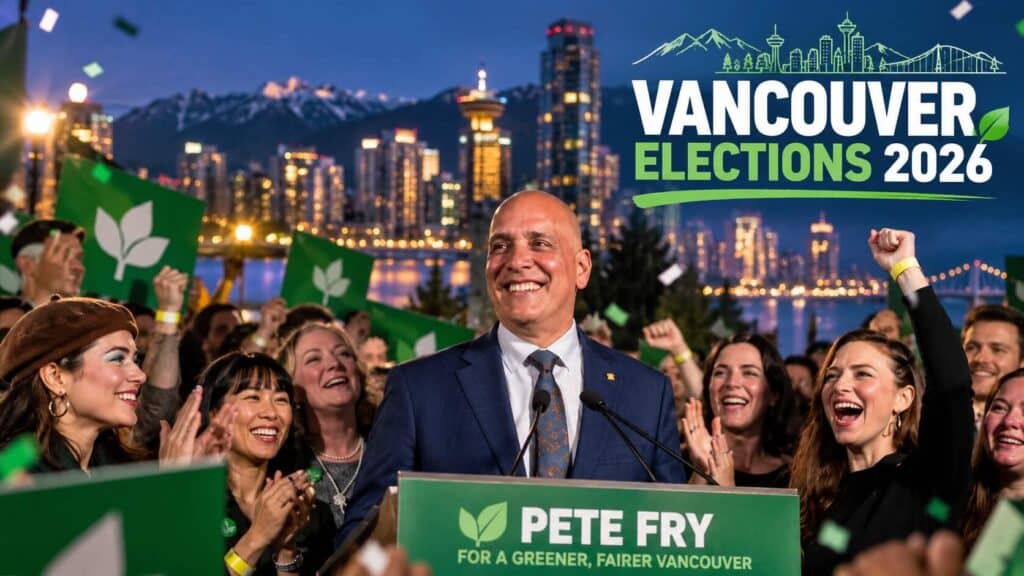
The unofficial results of the Vancouver election 2026 have signaled a dramatic shift in local politics. On October 17, 2026, Vancouverites elected Green Party candidate Pete Fry as the new mayor, replacing Ken Sim. This victory represents a fundamental pivot in how the city plans to handle its most pressing urban issues over the 2026-2030 term.
From redesigning street space to addressing the ongoing crisis in the Downtown Eastside, the incoming administration has laid out a highly specific, human-scale urbanist agenda. Here is a deep dive into what Mayor Pete Fry’s policies actually mean for the everyday flow of Vancouver’s neighborhoods, businesses, and traffic.
Short on time? Let our AI pull the absolute bottom line of this guide for you in seconds.

1. Redesigning City Streets: Less Cars, More Walkability
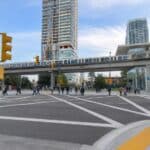
Perhaps the most visible change proposed during the Vancouver election 2026 campaign is Fry’s approach to the physical layout of the city. According to the official Vancouver Greens platform, there is a bold initiative to convert approximately 11% of Vancouver’s existing roadway space into alternative uses.
It is important to note that this does not necessarily mean eliminating 11% of driving lanes. Instead, the focus will likely be on repurposing street parking and underutilized asphalt to create widened sidewalks, permanent pedestrian plazas, protected bike networks (especially along the Broadway corridor), and neighborhood “parklets.” Residents in the West End and Gastown can expect an accelerated push toward car-free or car-lite zones, drastically changing how these historic districts function.
2. The Homelessness and Addiction Crisis
The contrast between outgoing Mayor Ken Sim and Pete Fry is starkest when looking at public safety and street-level drug use. While the previous administration leaned heavily on police funding, Fry’s mandate focuses on a social-services approach.
Key proposals to watch over the next four years include:
- Expanding the Civilian Response Teams (CROW) to operate 24 hours a day, reducing the reliance on armed police for mental health calls.
- Creating micro-shelters and designated, managed spaces for unhoused individuals to stay and consume substances safely.
- Expanding supportive housing to pull people off the sidewalks and away from commercial storefronts.
The major question for the new council will be whether these expanded services will physically reduce visible street encampments in the Downtown Eastside, or simply change the way the city manages them.
3. Transit Infrastructure and the UBC Extension
Fry has historically championed active transportation and transit over personal vehicle usage. During this term, the city is expected to aggressively advocate for the completion of the Millennium Line SkyTrain extension from Arbutus all the way to UBC.
While major SkyTrain projects require funding from TransLink and the BC Provincial Government, the city has direct control over street-level transit. Expect to see the rapid implementation of dedicated bus lanes, transit-priority traffic lights, and improved late-night bus services designed to make public transit the fastest way to cross the city.
Want to see how major transit projects are already reshaping local businesses? Read our latest Broadway Subway Project Update.
4. Housing: The End of the “Micro-Condo”?
For the last decade, Vancouver’s skyline has been dominated by massive glass towers filled with tiny, expensive micro-apartments. The Vancouver election 2026 results indicate a public desire for a different approach. Fry supports increasing density, but emphasizes “human-scale” development.
The incoming council is expected to prioritize “missing middle” housing—townhomes, co-ops, and mid-rise buildings that fit the historical character of existing neighborhoods. There is also a strong mandate to protect existing purpose-built rental buildings from being demolished by developers, ensuring that legacy renters are not priced out of their communities.
What Happens Next? (2026-2030)
While Mayor Pete Fry has a clear vision, the speed of these changes will depend entirely on the final makeup of the city council and his ability to form a voting majority. The first major test of this new administration will be the approval of the 2027–2030 Capital Plan, which will dictate exactly how much funding is allocated to new sidewalks, pedestrian plazas, and supportive housing over the next four years.
Frequently Asked Questions: Vancouver Election 2026 & Mayor Pete Fry
When does Pete Fry officially take office as Mayor of Vancouver?
Following the October 17, 2026 election, the new mayor and city council are officially sworn in during early November 2026, marking the start of the 2026–2030 term.
Will Pete Fry eliminate car lanes in Vancouver?
The Green Party platform aims to convert roughly 11% of roadway space for alternative uses. This primarily targets street parking and underutilized asphalt for widened sidewalks, bike lanes, and pedestrian plazas rather than removing major arterial lanes.
How will the new mayor address homelessness in the Downtown Eastside?
Mayor Pete Fry’s strategy shifts focus toward expanding 24/7 Civilian Response Teams (CROW), building supportive housing, and creating managed spaces, moving away from a police-first enforcement approach.
Hi, I’m the creator behind It’s Time for Vancouver. As a local resident, I spend my weekends capturing the magic of the Pacific Northwest, whether that’s mapping out historic day trips, tracking down regional wildlife, or finding the perfect urban escape. My goal is to give you honest, actionable guides so you can make the absolute most of every season in this beautiful province.