The Ultimate Vancouver to Banff Road Trip: Wildlife, History & Hidden Stops
The journey from the coastal rainforests of British Columbia to the jagged, snow-capped peaks of the Canadian Rockies is consistently ranked as one of the most breathtaking drives on earth. But planning a Vancouver to Banff road trip can be overwhelming. Between booking accommodations, dodging massive tourist crowds, and figuring out the best places to spot a grizzly bear, you need a solid strategy.
Whether you are planning a massive 10-day Vancouver to Canadian Rockies adventure or a tighter 5-day dash, this insider guide will help you navigate the route like a local. We will dive into the rich 1890s railway history of the mountain towns, exactly when to view wildlife, and the secret to finding affordable hotels when Banff is completely sold out.
Short on time? Let our AI pull the absolute bottom line of this guide for you in seconds.


How many days do you need in Vancouver before the drive?
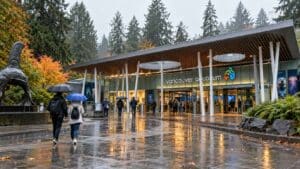
Do not make the mistake of landing at YVR Airport and immediately driving 10 hours east. You need at least 2 to 3 full days in Vancouver to experience the unique Pacific Northwest aesthetic. Start by renting a bike along the Stanley Park Seawall, exploring the historic brick facades of Gastown, and catching the glowing Vancouver bioluminescence if you are traveling during the summer months.
Drive vs. Train: Honoring the CP Rail Legacy
The route from Vancouver to the Rockies was largely defined between 1885 and 1940 by the Canadian Pacific (CP) Railway. When deciding how to travel, you have two amazing options:
- The Train (Rocky Mountaineer or Via Rail): Taking the train is the ultimate luxury experience, echoing the golden age of 19th-century travel. You will pass through mountain tunnels and cross stunning trestle bridges, but you are locked into a strict schedule.
- The Road Trip (By Car): Driving gives you the ultimate freedom to pull over for wildlife and explore hidden heritage towns. If you want to photograph a moose at dawn on your Vancouver to Banff itinerary, you absolutely need a car.
The Route: Where to Stop and Where to Keep Driving
The drive from Vancouver to Banff is roughly 850 kilometers (530 miles). Trying to do it in one day is exhausting and dangerous due to wildlife on the highways. Here is how to break it up effectively:
1. Kamloops: The Transit Hub
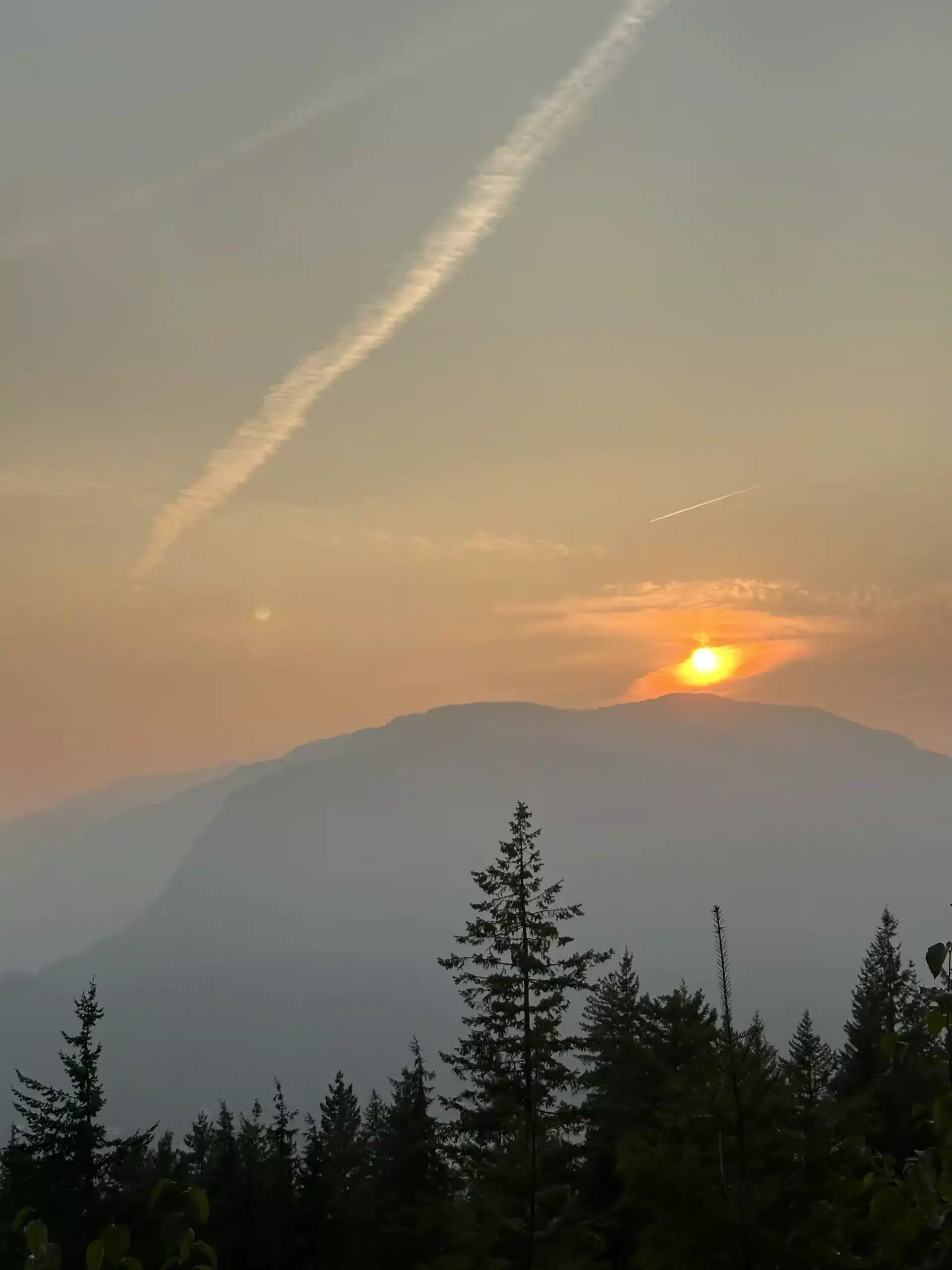 When driving from Vancouver, the landscape dramatically changes into a dry, desert-like environment as you enter Kamloops. Insider Tip: The Kamloops to Banff stretch is beautiful, but Kamloops itself is best used as a convenient and affordable place to stop for the night and get cheaper gas. It lacks the dramatic mountain charm of the towns further east, so do not linger for days.
2. Revelstoke: The 1890s Mountain Gem
This is a mandatory stop. Founded in the 1880s during the railway boom, Revelstoke’s historic downtown is perfectly preserved. Walk among the stunning Victorian and Edwardian brick buildings, grab a coffee at a local roaster, and take a quick drive up the Meadows in the Sky Parkway.
3. Golden & Yoho National Park
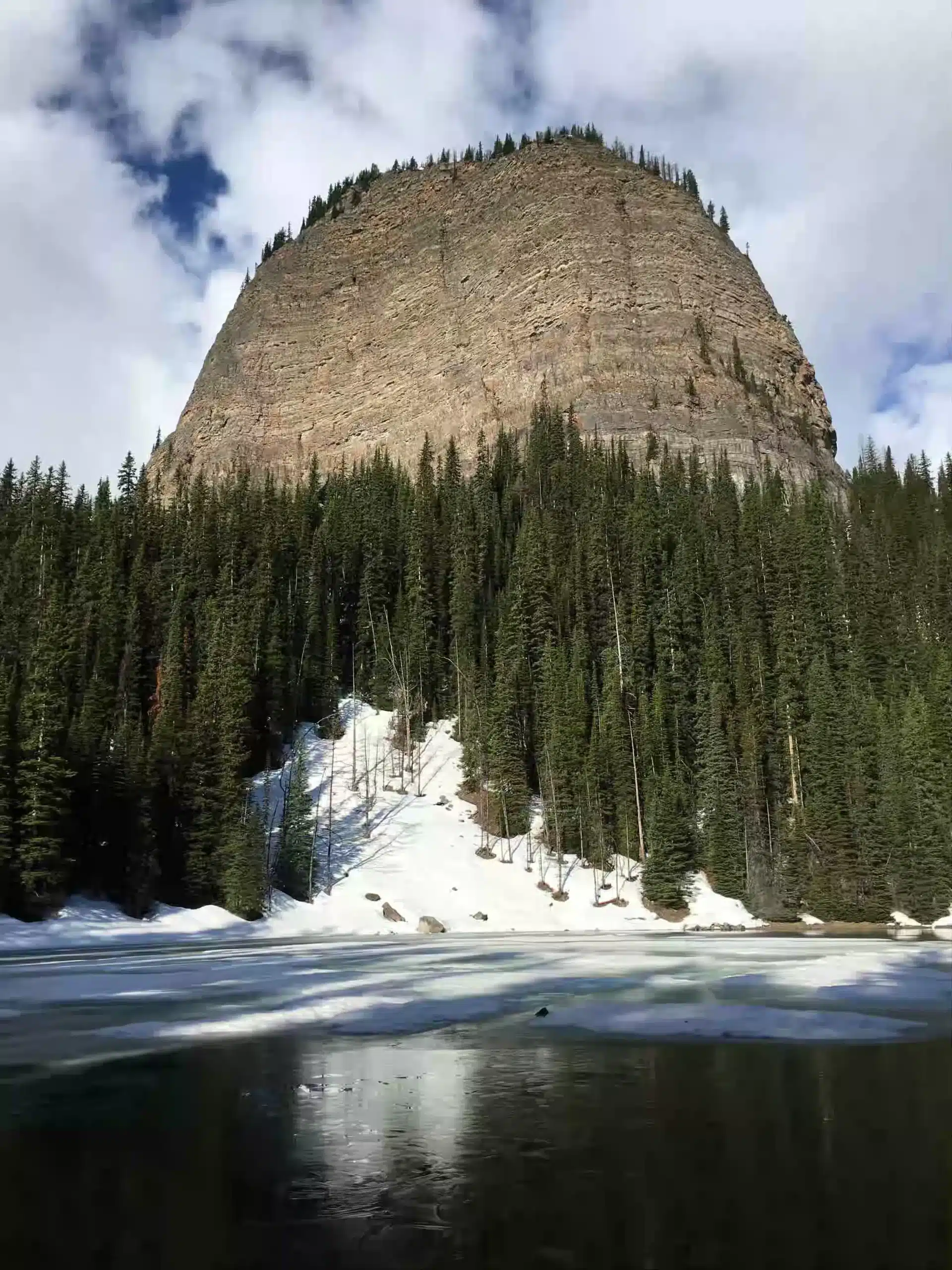 Golden, BC, sits right on the edge of the Rockies. Just past Golden is Yoho National Park, home to the famous Emerald Lake. Warning: Emerald Lake has become extremely viral. If you arrive at 1:00 PM, you will sit in a massive traffic jam just trying to park. To experience its true magic, arrive at 7:00 AM for the morning mist, or visit right before sunset when the tour buses have finally left.
Wildlife Viewing: Where to Spot Bears, Elk, and Mountain Goats
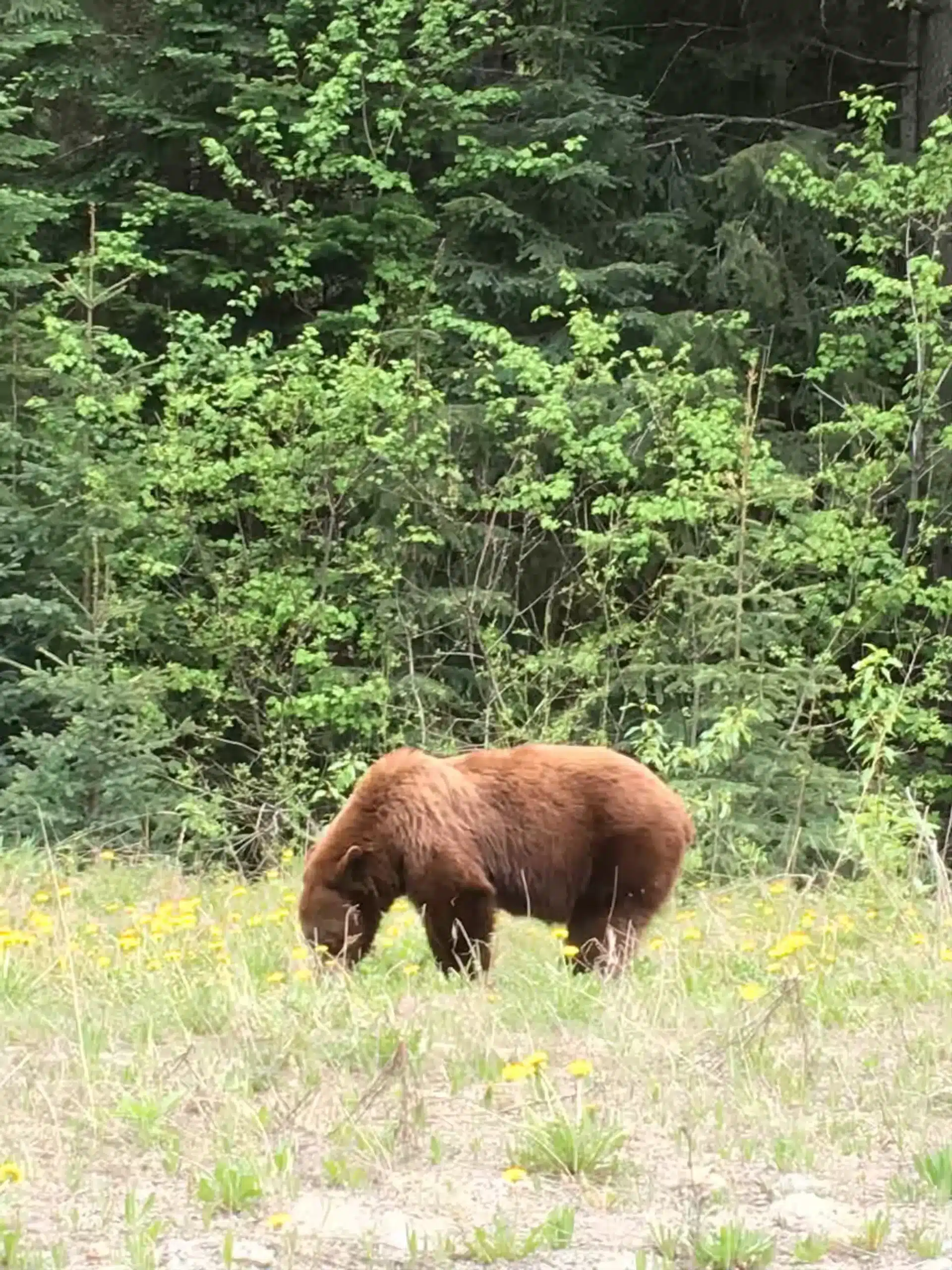 The Canadian Rockies are home to an array of mammals, but optimizing your chances of spotting them requires knowing their habits and habitats. While luck plays a part, following some basic guidelines can lead to successful wildlife viewing.
- Timing is Everything: Getting up early pays off, as dawn or just afterwards is one of the best times to see wildlife. The next optimal viewing times are in the late afternoon and the couple of hours prior to sunset, which are active feeding hours for many animals.
- The Best Seasons: Ironically, the slower tourist seasons of spring, fall, and winter offer the best wildlife viewing. During the fall rutting season (mid-September through October), aggressive bull elk concentrate in lower elevation meadows. Bears are also actively foraging in the fall to pack on fat before winter. In the spring, bears usually come out of hibernation in late April and early May, and wildlife can be seen foraging for grass along roadsides.
 Bow Valley Parkway (Hwy 1A): This lesser-traveled road near Banff offers better chances to see wolves, coyotes, black bears, grizzlies, bighorn sheep, and elk. Optimal viewing times here are near sunrise and sunset.
- In the Towns & Resorts: Wildlife often comes right into human spaces. Elk, mule deer, and white-tailed deer are commonly seen on the greens of the Fairmont Banff Springs golf course. The Fairmont Jasper Park Lodge is also a favorite hangout for elk.
- Icefields Parkway Spots: Grizzly and black bears can be spotted near the roadway at any point along the parkway. Just south of Athabasca Falls, you might see Mountain Goats licking mineral deposits in the rocks at a spot called the Goat Lick. Bighorn sheep also like to hang out around the Columbia Icefields Center.
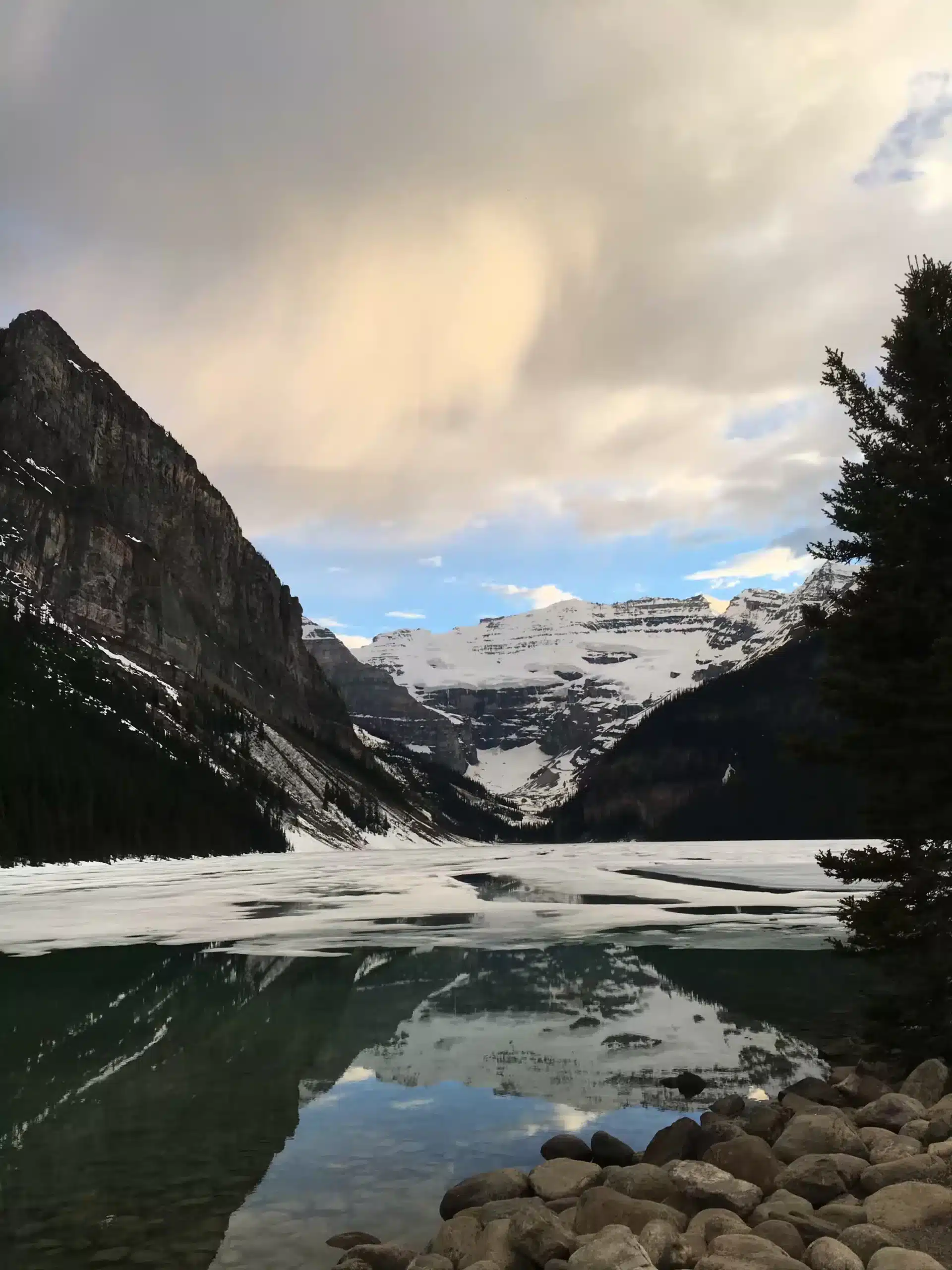 Bow Valley Parkway (Hwy 1A): This lesser-traveled road near Banff offers better chances to see wolves, coyotes, black bears, grizzlies, bighorn sheep, and elk. Optimal viewing times here are near sunrise and sunset.
Accommodation Hack: Why You Should Stay in Canmore
 Banff is iconic, but during the peak summer months, it can feel like a crowded theme park, and hotel prices skyrocket to unreasonable levels. If you find yourself priced out, look 20 minutes south to Canmore.
Canmore is not just a backup plan; it is a spectacular destination in its own right. Established in 1883 as a coal-mining town, Canmore has retained a much more authentic, laid-back local vibe compared to Banff. You can stroll past beautiful 19th-century miner’s cottages, enjoy incredible views of the Three Sisters mountain range, and eat at world-class restaurants—all for a fraction of the cost of a Banff hotel. From Canmore, it is an easy, scenic 20-minute drive right into the heart of Banff National Park.
Before heading into the parks, remember that you are required to purchase a National Park Pass from Parks Canada. A Vancouver to Banff road trip is more than just a drive; it is a journey through Canada’s rawest nature and rich pioneer history. Pack your bear spray, charge your camera batteries, and get ready for the trip of a lifetime.

Hi, I’m the creator behind It’s Time for Vancouver. As a local resident, I spend my weekends capturing the magic of the Pacific Northwest, whether that’s mapping out historic day trips, tracking down regional wildlife, or finding the perfect urban escape. My goal is to give you honest, actionable guides so you can make the absolute most of every season in this beautiful province.