Vancouver welcomed the world during the World Cup, but is our infrastructure holding us back? A critical look at the Vancouver tourism strategy and easy fixes.
The banners are coming down, the final whistles have blown, and the global crowds have slowly begun to depart. Over the past month, restaurants, bars, cafés, and hotels across British Columbia opened their doors to welcome soccer fans from every corner of the globe.
While the hospitality industry worked tirelessly to deliver unforgettable experiences, political analysts and urban planners are looking at the hard numbers. The World Cup was a massive success on paper, but it also served as an eye-opening case study on how the City of Vancouver is failing to reach its full potential as a world-class tourist destination.
Short on time? Let our AI pull the absolute bottom line of this guide for you in seconds.
Analyzing guide data & formulating summary...
🎯 Quick Answer:
• The Infrastructure Gap: Despite the success, Vancouver is held back by outdated municipal regulations, including early transit shutdowns and rigid licensing laws.
• Simple, Low-Cost Fixes: Transitioning into a top-10 global tourist city doesn’t require billions; it requires extending SkyTrain hours, simplifying patio licensing, and encouraging a “24-hour city” mindset.
• Keep Exploring: If you’re heading downtown to experience the lingering summer buzz, check out our curated guide on where to eat near BC Place.
Marine Building Vancouver: A Skyscraper with a Sea Story
5 Granville Island Indoor Activities: The Ultimate Rainy Day Guide
Whistler Ski Season 2026: Epic Opening Dates, Pass Hacks & Bear Safety

Vancouver Election 2026: The Dramatic Urban Shift Under Mayor Pete Fry

Vancouver Pumpkin Patch 2026: 4 Best Farms & Ticket Hacks
The Hospitality Triumph vs. Municipal Red Tape
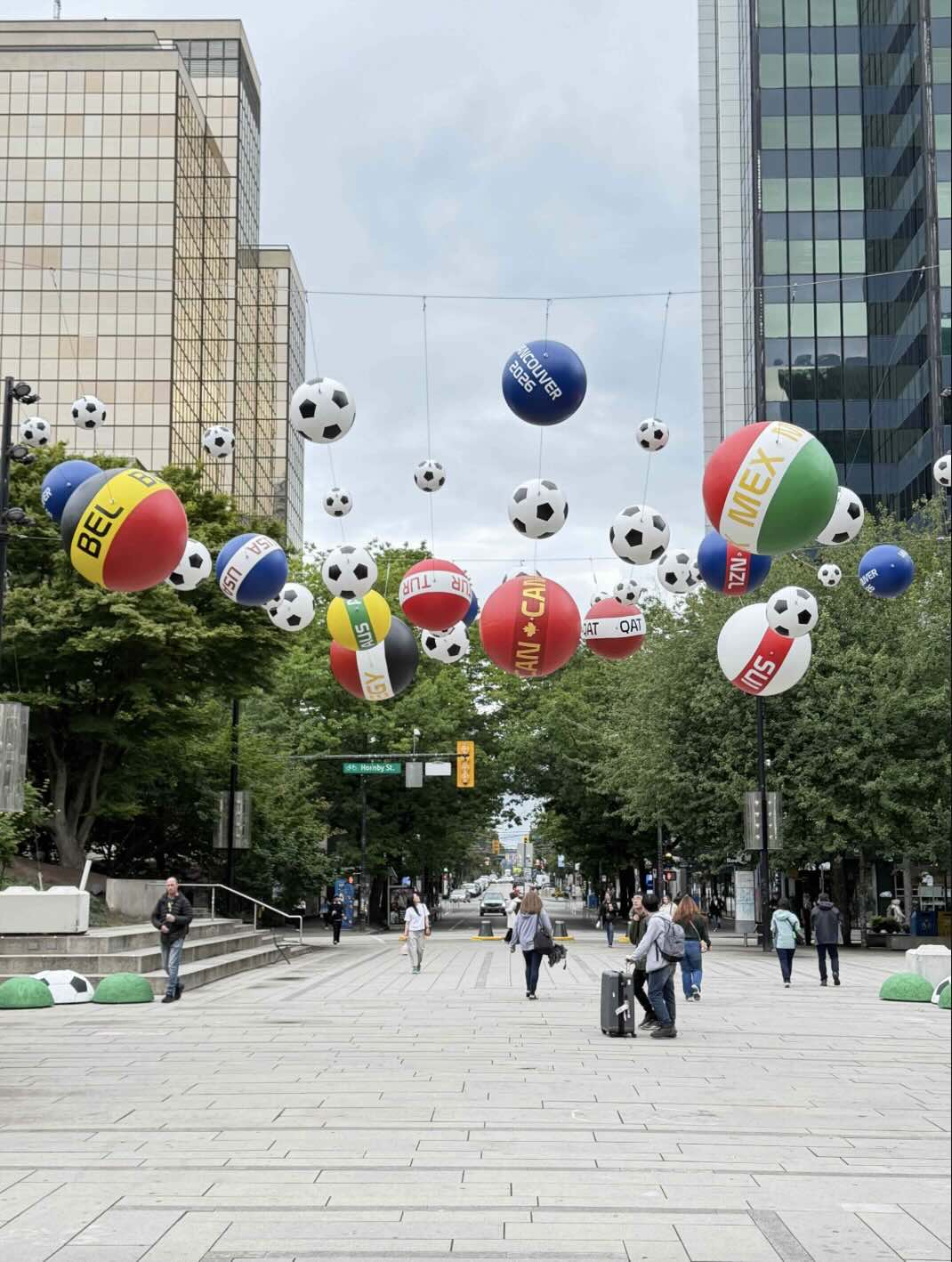 There is no denying that BC’s local businesses rose to the occasion. From microbreweries in East Van to boutique hotels downtown, our hospitality teams proved they can deliver world-class service under intense global pressure. However, as international visitors tried to navigate our city after midnight, the cracks in the Vancouver tourism strategy became impossible to ignore.
Vancouver has the natural beauty, the culinary scene, and the global appeal to easily rank among the top 10 tourist destinations in the world. Yet, as highlighted by local tourism advocacy groups like Destination Vancouver, the city continues to suffer from self-inflicted wounds—archaic regulations that are neither expensive nor difficult to fix:
-
The Transit Cut-off: Closing the SkyTrain before 2:00 AM during major international events forces thousands of tourists into chaotic taxi queues or leaves them stranded, completely killing the late-night economy.
-
Outdated Patio & Nightlife Licensing: Getting a patio permit or extending operating hours for a pub shouldn’t require months of municipal paperwork.
-
The “No-Fun City” Stigma: Rigid public drinking laws and quiet-hours policies prevent the city from developing a vibrant, European-style night culture.
When thousands of international fans pour out of BC Place after a major match, they want to celebrate, eat, and enjoy the city’s nightlife. Instead, they are met with shuttered restaurant kitchens, dark streets, and transit security ushering them toward early trains. This mismatch between global expectations and local reality not only dampens the visitor experience but also represents millions of dollars in lost revenue for hard-working business owners who are eager to serve them.
How We Can Create a More Attractive City for Tourists
If we want the incredible momentum from the World Cup to continue across BC hospitality, the city must transition from a defensive, risk-averse mindset to an active growth strategy. Updating municipal bylaws, as suggested in urban studies by the British Columbia Hotel Association, is a tiny price to pay for securing billions in broader, year-round domestic and international tourism revenue.
Local leaders need to recognize that tourism is not an isolated sector—it is deeply integrated with our public transit infrastructure, cultural bylaws, and nighttime economy. By modernizing these elements, we can create a sustainable ecosystem that attracts international investment, supports local talent, and elevates our global standing.
By aligning our transit lines with event schedules and adopting progressive licensing, we can transform Vancouver from a city where people just “sleep after a hike” into a thriving, 24-hour metropolitan hub.
As tourists look to make the most of their time in BC before the summer ends, they are also turning their eyes to our incredible backyard. If you are looking to escape the city concrete and enjoy our world-famous wilderness for free, read our complete guide on the Free National Parks in Canada to plan your next epic budget-friendly road trip.
A truly successful tourism framework relies heavily on how seamlessly visitors can transition from major transit lines to the city’s best entertainment and dining districts. While Vancouver struggles with late-night bottlenecks, understanding our future infrastructure is key. Keeping an eye on the upcoming Vancouver SkyTrain extensions gives us a glimpse into how the city plans to improve connectivity between the suburbs and the downtown core in the coming years.
This improved transit flow will directly benefit our local culinary scene. After all, tourists stepping off a late-night train or leaving a massive concert are immediately looking for world-class food. If you are heading downtown for an event and want to avoid overpriced tourist traps, making a strategic dining plan is essential—be sure to explore our curated local guide on where to eat near BC Place to discover the absolute best spots just steps away from the stadium.

Hi, I’m the creator behind It’s Time for Vancouver. As a local resident, I spend my weekends capturing the magic of the Pacific Northwest, whether that’s mapping out historic day trips, tracking down regional wildlife, or finding the perfect urban escape. My goal is to give you honest, actionable guides so you can make the absolute most of every season in this beautiful province.