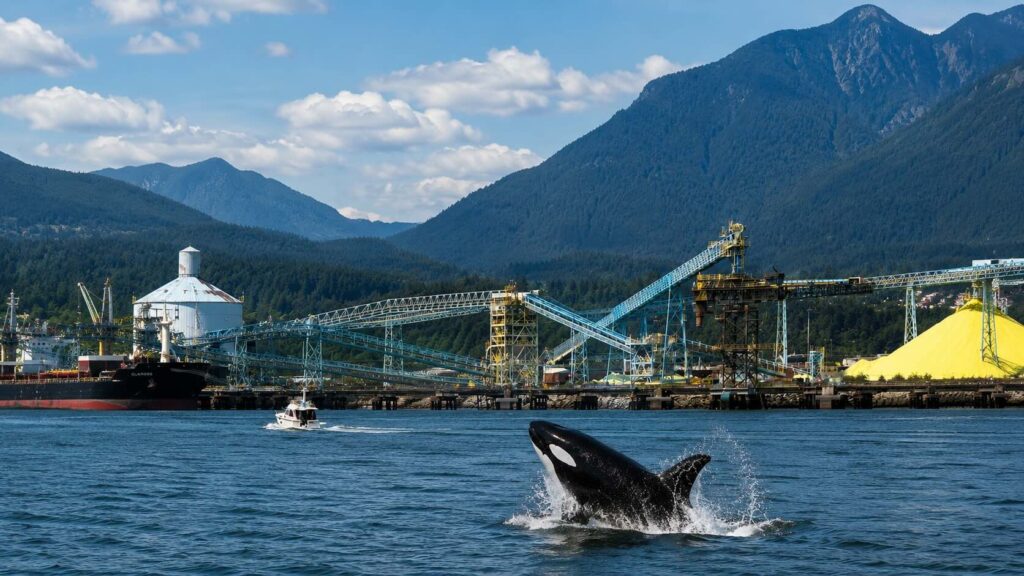
When witnessing wild orcas, Vancouver locals experienced a magical moment that quickly turned chaotic. Discover the true story and the marine laws.
When it comes to spotting wild orcas, Vancouver typically points locals and tourists toward the open waters of the Pacific or Vancouver Island. But on Sunday, July 5, 2026, the ultimate Pacific Northwest dream came right to our doorstep. A pod of four killer whales made a rare, dramatic entrance deep into the heart of the city’s harbor.
Thanks to an exclusive, invite-only marine network that tracks local wildlife with pinpoint accuracy, fortunate onlookers received a live alert and rushed to the seawall. Within minutes, the magnificent pod – consisting of two adults and at least two young calves – was confirmed swimming gracefully past Stanley Park.
However, what began as a magical moment of urban wildlife appreciation quickly transformed into a nerve-wracking spectacle, raising painful questions about marine safety in our busiest waters.
20 Minutes of Chaos Under the Lions Gate Bridge
As the whale family made its way into the inlet, they spent approximately 20 minutes lingering right underneath the iconic Lions Gate Bridge. Word of their presence spread like wildfire, and the waters quickly became congested.
Dozens of recreational vessels, including motorized boats, jet skis, kayaks, and paddleboarders, rapidly converged on the area to catch a glimpse. Observers from the bridge and the Stanley Park seawall noted with growing anxiety that several vessels breached basic etiquette, crowding the pod and getting dangerously close to the protective mother and her calves.
The Reality of Orcas: Vancouver Harbor’s Traffic Problem
The situation grew even more intense as the family swam further east toward the commercial port near Canada Place. The harbor was at its peak summer hustle, with SeaBuses, commuter ferries, and private boats crossing paths constantly.
Shockingly, during the exact window when the pod was navigating the inner harbor, three massive luxury cruise ships departed the terminal. While local boat owners are frequently scrutinized by authorities, maritime officials made no apparent effort to delay, stop, or divert these giant moving skyscrapers. The whales were left to dodge the heavy wakes and massive underwater propellers entirely on their own.
This double standard is exactly why environmental experts warn we need to stop cheering for the whales and look at the dark truth behind Vancouver’s harbor sightings. The ongoing industrialization and the massive Burrard Inlet in Vancouverdredging projects simply aren’t designed to co-exist safely with vulnerable marine mammals.
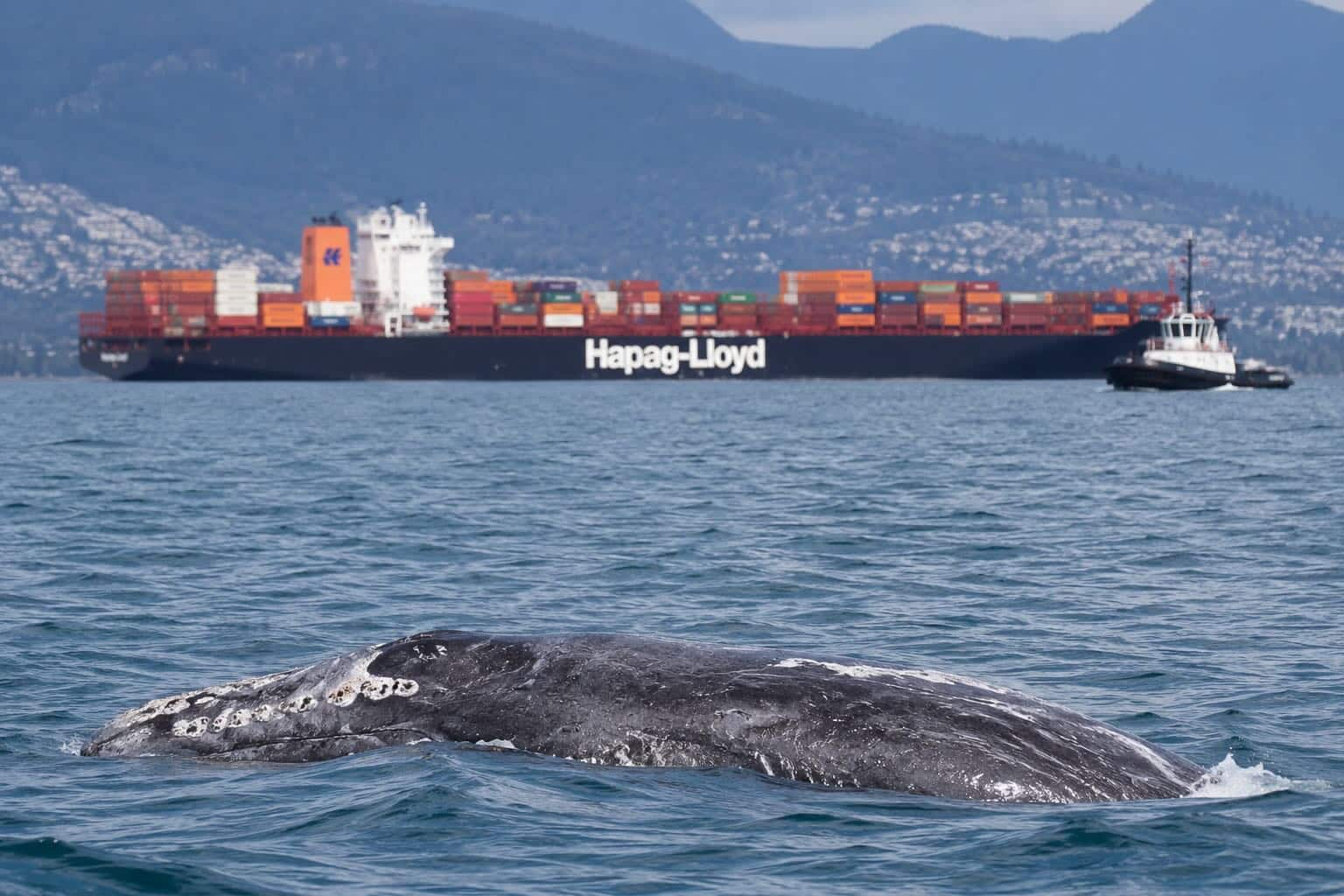
The Law: Official Whale Watching Rules & $100,000 Fines
This chaotic encounter serves as an urgent reminder that getting too close to marine wildlife isn’t just irresponsible—it is a federal crime punishable by massive fines and potential jail time under the Fisheries and Oceans Canada (DFO)regulations.
If you find yourself on the water during a surprise marine encounter, you must legally adhere to the following Whale Watching Rules:
-
Distance Rules: You must maintain a minimum distance of 200 meters from Biggs (Transient) killer whales, and a strict 1,000 meters from endangered Southern Resident killer whales. If you are in doubt, play it safe and stay far away.
-
Speed Restrictions: It is illegal to exceed a speed of 7 knots within 1 kilometer of any cetacean or marine mammal.
-
No Interception: Vessels must never attempt to get ahead of, cut off, or intercept the path of traveling whales.
-
Drone Restrictions: Drones are strictly banned from being flown anywhere near marine mammals.
-
Prohibited Disruptions: It is illegal to separate a marine mammal from its group, come between an adult and a calf, or trap marine life between a vessel and the shoreline.
Violating these laws can result in immediate intervention by authorities, with corporate or individual fines scaling up to $100,000 under the Fisheries Act.
From the Harbor to Port Moody
After spending another tense 20 minutes navigating the challenging waters near Canada Place, the resilient pod continued its eastward trek. They successfully crossed under the Ironworkers Memorial Bridge (Second Narrows) and pushed deep into the inlet, traveling all the way toward the calmer waters of Port Moody before turning back toward the ocean.
Want Live Alerts for the Next Whale Sighting?
Missing a whale sighting by just a few minutes is heartbreaking. We managed to witness this incredible event thanks to an exclusive, highly specific local notification network tracking orcas, Vancouver marine life, and local harbor movements.
If you want an invite code to join this private spotting group so you never miss the next pod passing the seawall, here is how to get it:
-
Go to our official Instagram page and hit Follow.
-
Find our latest Orca reel/post and drop a comment saying “Orca”.
-
We will instantly DM you the private invitation link directly to your inbox!

Hi, I’m the creator behind It’s Time for Vancouver. As a local resident, I spend my weekends capturing the magic of the Pacific Northwest, whether that’s mapping out historic day trips, tracking down regional wildlife, or finding the perfect urban escape. My goal is to give you honest, actionable guides so you can make the absolute most of every season in this beautiful province.




Pingback: The Ultimate 2026 Guide to Bioluminescence Vancouver: See Glowing Waters