Vancouver World Cup

Vancouver’s First World Cup Match is TODAY: Major Road Closures and Traffic Chaos You Need to Know

As Vancouver hosts its first 2026 World Cup match tonight, the city reveals a deep urban contradiction: pedestrian zones for tourists, sudden solutions for long-term social crises, and a sudden shift away from car dependency. An urbanist’s critical view.

Tonight at 9:00 PM PT, history will be made as the Vancouver World Cup event kicks off its first match at BC Place, featuring an electric Group D clash between Australia and the Playoff Winner. The city is buzzing, the streets are decorated, and thousands of international fans are arriving, ready to witness the single biggest sporting event British Columbia has ever seen.

But beneath the shiny, corporate veneer of FIFA’s branding, opening day exposes a fascinating, and at times troubling, urban contradiction. For one day, Vancouver is proving it can function as a world-class, pedestrian-first metropolis. But it also begs a critical question: Who is this urban utopia actually built for—the locals who live here, or the tourists holding tickets?

The Transit Paradox: Inside the Vancouver World Cup Gridlock
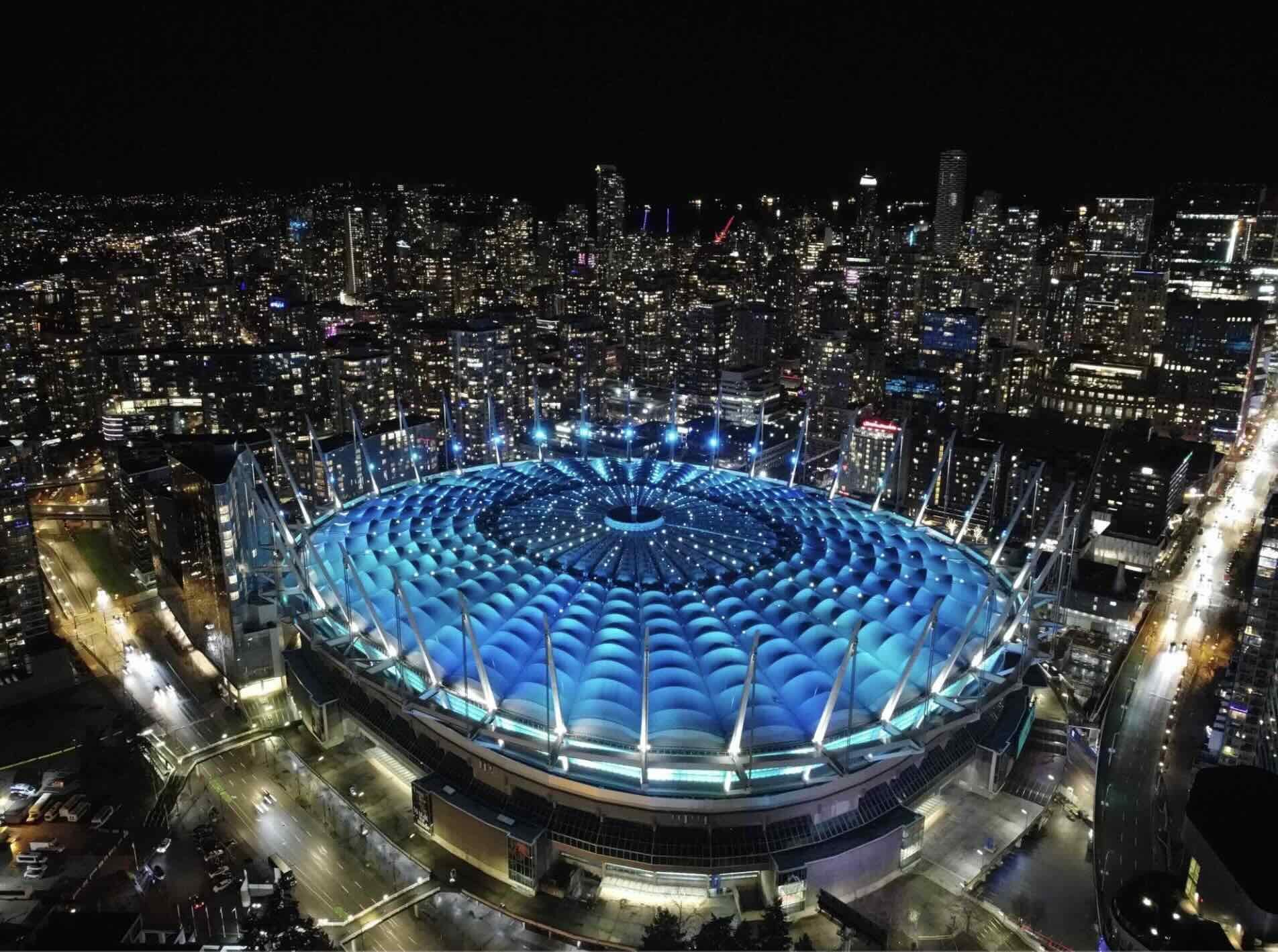
Vancouver World CupTo manage the massive influx of people, TransLink has made a massive and arguably positive move: running SkyTrains every 2 to 2.5 minutes and lining up empty trains specifically to clear out crowds.

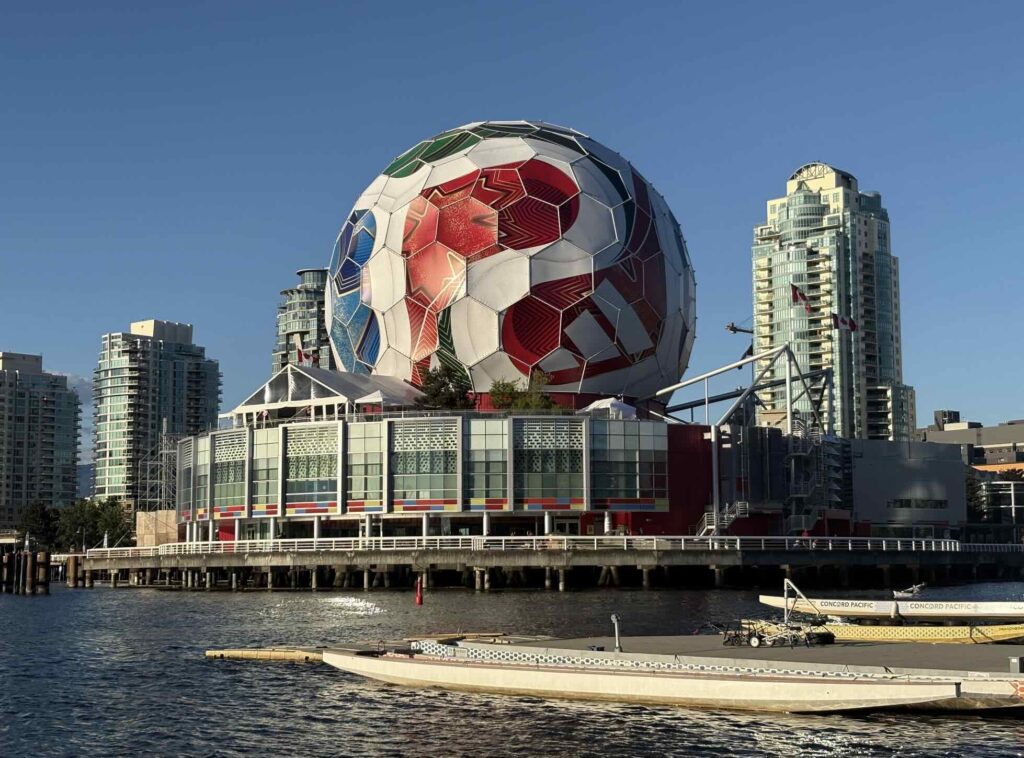
But here is where the messaging gets confusing for locals. While intuition tells you to take the SkyTrain to Stadium-Chinatown Station, the lower entrance there is actually closed. Instead, the city has funnelled all foot traffic through Main Street–Science World Station, creating a designated “Match Day Spectator Route” along False Creek.
On one hand, pushing people toward transit and forcing a car-centric city into a single day of transit dependency is a great eco-friendly case study. On the other hand, it highlights a deep design flaw. Vancouver has spent decades cementing car dependency for its suburban commuters. To suddenly enforce a “car-free downtown” over the course of 24 hours heavily prioritizes vehicle-less international tourists, leaving local residents—who rely on their cars daily—to navigate a maze of sudden gridlocks and a $200+ towing trap.

The Slow Road to Pedestrianization (But Only the Quiet Ones)

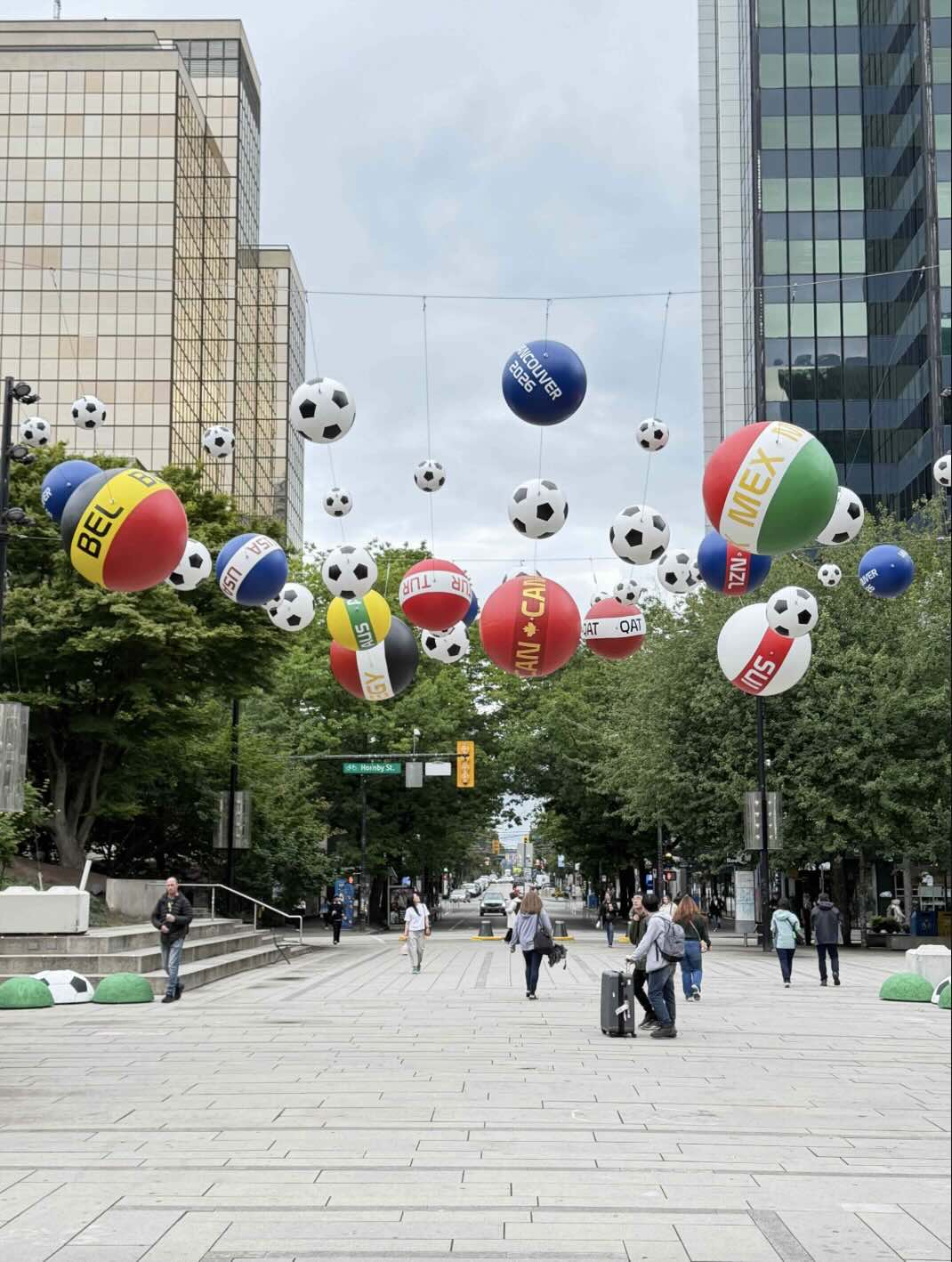
Vancouver World CupWalk through Downtown today, and you’ll notice that several streets, including a five-block stretch of Granville Street and sections of Pacific Boulevard, have been completely transformed into vibrant, safe, and pedestrian-only spaces.

This temporary transformation aligns with a very slow, cautious trend Vancouver has been pushing for years: narrowing streets and widening sidewalks to make the city more walkable. However, an urban critique of Vancouver’s planning reveals a frustrating pattern. When the city decides to permanently narrow or calm a street, it almost always selects quiet, already-peaceful residential side streets.

When it comes to the major, high-volume central arteries—the ones acting as literal highways slicing right through the middle of our urban core—the city rarely blinks. Today proves that we can reclaim major roads like Pacific Boulevard for people. Why does it require a multi-million-dollar FIFA event to show that humans belong on these streets more than cars?

The “Miraculous” Sterilization of the Downtown Eastside

Perhaps the most politically sensitive and visually striking change in the days leading up to June 13 is the sudden “cleaning” of Vancouver’s central streets. Residents and local advocates have pointed out an aggressive push by law enforcement to displace and clear out unhoused populations and those suffering from the long-standing opioid crisis from highly visible tourist paths.

This is where the city’s ethics become highly questionable. Vancouver’s housing and homelessness crisis has been an open, bleeding wound for years—exponentially worsening since the COVID-19 pandemic. For years, politicians insisted that the crisis was too complex, too systemic, and too expensive to solve overnight.

Yet, almost like magic, as soon as global cameras arrived, the city found the resources, the coordination, and the logistical will to sanitize the public space and push the crisis out of sight. This selective enforcement proves that the city’s highest priority wasn’t solving a humanitarian crisis for its vulnerable residents, but rather managing its international PR. If we have the tactical capacity to reshape the human geography of our streets for a soccer match, we had the capacity to provide dignified housing and solutions years ago.

The Verdict: A Tale of Two Cities

The match tonight is a testament to what Vancouver can be: a vibrant, transit-oriented, walkable city capable of hosting global culture. The lively pedestrian route from Science World is a beautiful glimpse into a less car-dependent future.

But as an urban space, we must remain critical. A city should not be a theatrical stage that is cleaned, restricted, and optimized only when wealthy spectators are watching. True urbanism means building pedestrian paradises that outlast the final whistle of the Vancouver World Cup.

Leave a Comment

Your email address will not be published. Required fields are marked *

1 thought on “Vancouver’s First World Cup Match is TODAY: Major Road Closures and Traffic Chaos You Need to Know”

  1. Pingback: Monarch Butterflies in Vancouver: 3 Secrets to Spot Them

Updates
Tracking live events...
Scroll to Top